Air Jordan Resale Market: Savvy Tips for Buyers and Sellers
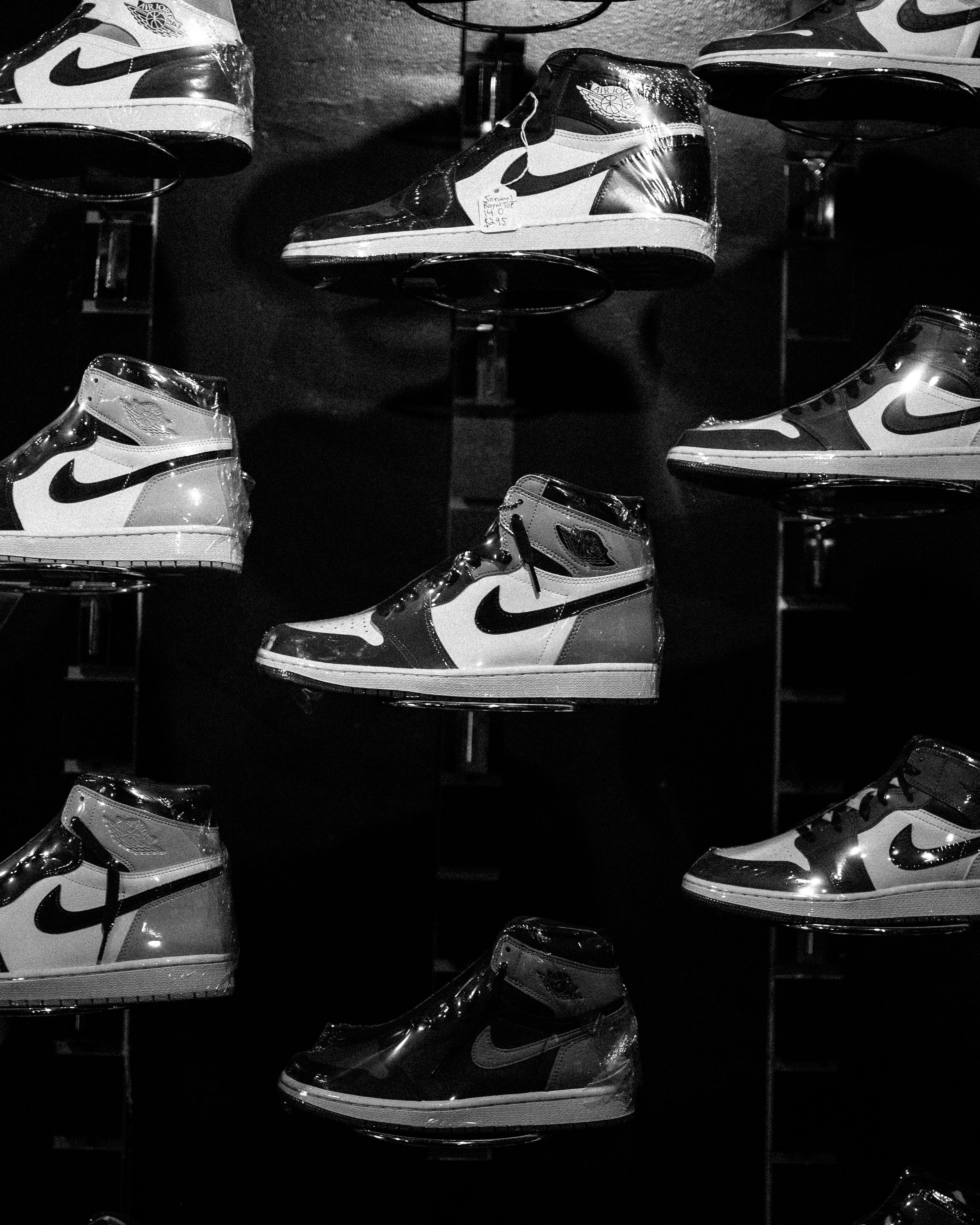
Having developed from a niche hobby into a multi-billion-dollar business, the Air Jordan resale market now works with the precision of a commodities market. Shoes that cost $170 can fetch $500, $1,000, or even $10,000 determined by shoe, color, and availability. For consumers, this ecosystem grants the opportunity to buy sold-out releases and legendary kicks that would otherwise remain unobtainable. For resellers, it constitutes a real revenue source that countless business owners have monetized successfully. But operating in this arena without understanding is a quick path to overpaying or being defrauded. Whether you want to cop a pair at a discount or flip your newest SNKRS cop for money, grasping the workings of the Air Jordan resale economy in 2026 is vital.
Understanding the Resale Ecosystem
The contemporary sneaker resale market runs through a select group of dominant services, each with distinct pricing models and customer bases. StockX invented the “sneaker stock exchange” model, levying sellers a cut between 8 and 10 percent according to seller level. GOAT runs a like marketplace but introduces the ability to sell pre-owned sneakers next to unworn pairs, increasing the total market. eBay re-entered the legit-checked sneaker arena with its Authenticity Guarantee service and as of now assesses zero seller fees on sneakers over $150, positioning it as the most fee-efficient channel for sellers in 2026. Brick-and-mortar consignment stores like Flight Club command a higher 15 to 20 percent cut but deliver face-to-face verification and immediate cash. Social media still facilitate substantial peer-to-peer sales, though without built-in authentication the danger is markedly higher. Understanding each platform’s fee structure lets you decide wisely based on whether you prioritize maximum earnings, fast payouts, or security.
The Forces Behind Resale Pricing
Resale pricing follows trends Jordan high tops dictated by predictable market factors. The biggest driver is scarcity — restricted releases under 50,000 pairs virtually always earn considerable markups, while GR releases above 200,000 pairs often go for or below retail after launch buzz dies down. Collaboration status enormously inflates worth: a Travis Scott or Off-White partnership can increase 300 to 800 percent to aftermarket value compared to a basic edition of the same shoe. OG editions that Michael Jordan personally wore during NBA games reliably fetch more than contemporary takes of the same silhouette. Shoe condition is another key determinant, with brand-new pairs fetching a 30 to 50 percent price increase over slightly worn pairs. The most standard men’s sizes (9 through 11) generally carry more inventory on platforms, while outlying sizes commonly fetch markups due to limited supply. Resale values typically spike during November and December holiday shopping and decline during less active summer months.
| Platform | Commission | Verification | Payout Speed | Used Sales | Best For |
|---|---|---|---|---|---|
| StockX | 8–10% | Physical in-house | 3–7 business days | No | Price transparency |
| GOAT | 9.5% + shipping | In-house physical | 3–5 business days | Yes | Pre-owned sales |
| eBay | 0% (over $150) | Third-party physical | 1–3 business days | Yes | Maximum seller profit |
| Flight Club | 15–20% | On-site specialists | Immediate (cash) | Yes | Quick cash sales |
| Instagram / Facebook | 0% | None — buyer assumes risk | Same-day | Yes | Zero-fee peer-to-peer |
Expert Buying Strategies
When you buy is the most effective tool for obtaining Air Jordans under maximum aftermarket prices. Nearly all hyped drops exhibit a reliable price arc: prices spike directly after drop day as resellers leverage buyer urgency, then steadily drop over two to six weeks as early demand is absorbed and more pairs enters the market. Delaying your purchase 30 to 45 days after launch can net you savings of 15 to 30 percent compared to first-day prices, according to market records on StockX. Setting price alerts on marketplaces like StockX and GOAT lets you set your price and be patient until a seller to take it, rather than meeting the listing price which invariably shows the most hopeful seller expectation. Contrasting prices across multiple platforms before purchasing is critical because the same shoe in the same size can swing by $20 to $80 between StockX, GOAT, and eBay at any given time. For aged retro releases not in the midst of a present hype wave, prices commonly hit their lowest during June through August when sneaker market volume generally slows down. On top of that, buying in less common sizes can at times work in your favor because these sizes have fewer active bidders fighting over the same restricted supply.
Selling for Maximum Profit
Profitable flipping starts well before you upload a pair — it is built on acquiring the right product through primary retail at the lowest cost. Joining every running raffle for high-demand launches through Nike SNKRS, Foot Locker, JD Sports, and boutique shops maximizes your odds of obtaining inventory at retail, which is the basis of resale profitability. Getting to market quickly plays a huge role: listing your pair within the first 24 to 48 hours after drop, when urgency is at maximum and inventory on platforms is still scarce, usually generates the highest selling price for that release cycle. Photograph your inventory comprehensively and protect the original box in perfect condition, because purchasers on verified platforms fork out measurably more for pairs that come in pristine boxes with all original accessories present. Watch recent sold listings — not just active listings — to establish market-aligned sale prices, since listings priced too high go unnoticed while the market passes you by. Consider which platform you use strategically: eBay’s zero-fee structure on sneakers above $150 means you keep approximately 10 percent more than on StockX, translating to $30 to $50 additional profit per pair.
Verifying Authenticity and Dodging Counterfeits
Bootleg Air Jordans have turned alarmingly sophisticated in 2026, with some counterfeits nearly identical from real pairs without professional examination. The lowest-risk route for purchasers is acquiring strictly through services with in-person legit checking — StockX, GOAT, and eBay’s Authenticity Guarantee each use professional legit checkers who hands-on check every pair before it arrives at the buyer. For person-to-person deals through Instagram or face-to-face transactions, buy a UV blacklight that exposes hidden quality-control markings counterfeiters almost never replicate, and a jeweler’s loupe for examining stitch work and material textures at close range. Danger signals include suspiciously low prices, vendors who won’t share close-up photos, and vague “authenticity guaranteed” language without naming a authentication method. Services like CheckCheck and Legit Check feature smartphone-based legit checking where you upload images and receive a expert verdict for $3 to $10 per check. For vendors, verifying that your pairs are legit shields your credibility and avoids pricey disputes — platforms will penalize or remove sellers who deliver counterfeit products, even unknowingly.
The Resale Projection for 2026 and Beyond
The Air Jordan resale market in 2026 sits at an interesting crossroads driven by competing forces. Jordan Brand has expanded supply on many retro releases, softening markups on widely available drops and bringing mean markups down from COVID-era highs. That said, genuinely scarce partnerships and OG releases keep on command strong markups, suggesting the market is bifurcating between affordable products and highly restricted releases. According to research from Cowen & Company, the international sneaker resale market is expected to reach $30 billion by 2030, with Air Jordans continuing as the most transacted label. For individual market participants, this growth means more trading volume, better pricing transparency, and increased competitive pressure — conditions that reward research and discipline over impulsive behavior. Whether you enter the market as a collector seeking grails or a seller building a side business, the fundamentals hold true: purchase what you know, time your sales wisely, authenticate everything, and handle the market like the serious financial pursuit it is.